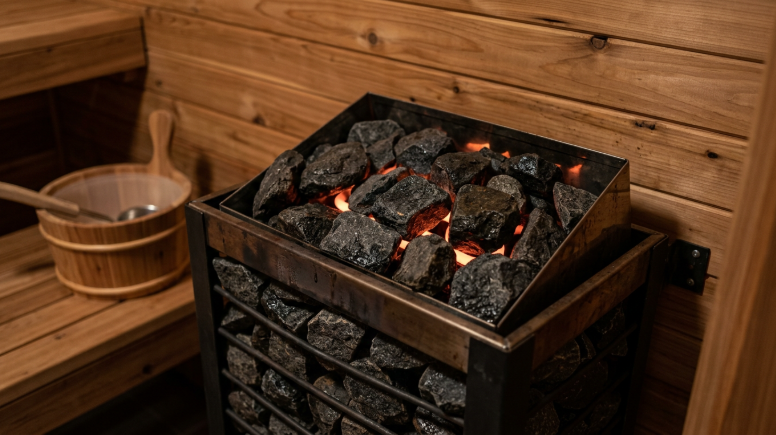
Does an Electric Sauna Heater Add Value to Your Home?
An electric sauna heater does not add value the way a kitchen remodel does on an appraisal sheet, but a properly installed unit in a finished room supports a modest price bump in wellness-minded markets and is regularly cited by agents as a feature that shortens time on market. Installed cost typically runs $3,000 to $9,000 for a mid-size home setup, and most of that investment pays off in years of personal use rather than a single resale number. The electrical work, not the heater itself, is usually the deciding factor in whether the project is worth it for a given house.
What Does “Added Value” Actually Mean Here?
Home value shows up in two separate ways: what an appraiser writes down and what a buyer is willing to pay above list price for a feature they want. Sauna rooms rarely move the appraised number much, because appraisers work from comparable sales, and comparable homes with a built-in sauna are still uncommon in most markets. What moves faster is buyer interest. Listings that mention a working sauna, especially one wired correctly and finished to match the rest of the home, tend to draw attention from buyers who already exercise, do cold plunges, or use recovery routines as part of their lifestyle. That interest can translate into a quicker sale or a slightly stronger offer, even when the appraisal itself barely reflects the room.
See also: How the Peptide Business Split in Two, and Why It Happened in a Single Month
What Should a Buyer Budget for an Electric Heater Setup?
The heater unit itself is the smallest line item. A 4.5 to 6 kilowatt electric heater sized for a two to four person room usually costs $600 to $1,400, while larger 8 to 12 kilowatt units for bigger rooms run $1,500 to $2,500. Stones add another $50 to $150 depending on weight and rock type. The bigger cost is the electrical work: running a new 240-volt circuit from the panel, installing a disconnect, and adding a high-limit safety switch commonly adds $800 to $2,500 depending on distance from the panel and whether the panel has spare capacity. Retailers such as Redwood Outdoors, Almost Heaven, and SweatDecks electric sauna heaters list wattage, stone capacity in pounds, and clearance requirements directly on the product page, which is the fastest way to compare units before calling an electrician for a quote.
How Do You Size the Heater to the Room?
Sizing is based on cubic footage, not floor space, because a tall ceiling or a glass door adds heat load that a floor-plan number misses. A common starting point is roughly one kilowatt per 45 to 60 cubic feet in a well-insulated, well-sealed cabin. A four foot by six foot room with a seven foot ceiling comes to about 168 cubic feet, which lands in the 3 to 4 kilowatt range on paper, though most builders round up to 4.5 or 6 kilowatts to account for door losses and faster heat-up. An undersized heater runs constantly and still falls short of target temperature, which shortens the heating element’s working life for no benefit.
What Electrical Work Should You Plan For Before Ordering?
This is the step that catches first-time buyers off guard. Heaters over 6 kilowatts almost always need a dedicated 240-volt circuit with a 30 to 50 amp breaker, and older homes with a full panel may need a subpanel or service upgrade before that circuit can be added. Ask an electrician for a firm quote based on the exact heater’s amperage draw, not a general estimate, since the distance from the panel to the sauna location changes the price more than almost any other factor. A wall-mounted disconnect switch within sight of the heater and a high-limit safety cutoff are standard code requirements in most jurisdictions and should already be built into any heater worth buying.
How Does Installation Affect Long-Term Value?
A sauna wired to code, with a properly rated breaker and a disconnect installed by a licensed electrician, holds its value and passes inspection cleanly during a future sale. A sauna wired with an extension cord or an undersized circuit is a liability that a home inspector will flag, and it can actually reduce a buyer’s confidence in the rest of the home’s electrical system. If resale is part of the reasoning for building the room at all, spending the extra few hundred dollars on proper permitted electrical work is what protects that value rather than the heater brand itself.
How Should a Buyer Actually Weigh the Decision?
Think of a sauna less like a fixed asset and more like a finished basement or an outdoor kitchen: it rarely shows up as its own line item on an appraisal, but a well-built one signals that the rest of the property has been cared for, and that impression carries weight with buyers even when it is hard to quantify. A cheaply built cabin with a mismatched heater and no permit history sends the opposite signal. Homeowners planning to sell within a year or two should lean toward simple, well-documented installations over elaborate custom builds, since the goal at that point is a clean inspection and broad buyer appeal rather than a personal showpiece. Homeowners who plan to stay for a decade or more can reasonably prioritize the features they will actually use, since the daily benefit outweighs any resale consideration by a wide margin over that kind of timeline.
It also helps to compare a sauna against other discretionary home upgrades in the same price range. A $6,000 electric sauna installation sits close to what many households spend on a mid-range patio or a small deck extension, projects that also rarely return their full cost at resale but consistently rank high in owner satisfaction surveys. Treating the sauna the same way, as a quality-of-life purchase with a secondary resale benefit rather than the reverse, sets realistic expectations and avoids the disappointment of expecting an appraiser to reward it the way a bathroom or kitchen renovation would be rewarded.
What Does the Research Say About Regular Sauna Use?
Beyond the financial case, the appeal for most buyers is the session itself. A 2018 review in Mayo Clinic Proceedings summarized research linking regular sauna bathing with favorable cardiovascular markers across multiple studies, and a 2001 review in The American Journal of Medicine described similar associations between habitual sauna use and lower cardiovascular risk in Finnish cohorts. A 2023 follow-up review in Mayo Clinic Proceedings looked at sauna bathing alongside other lifestyle factors and found the combination associated with added benefit over either alone. These are population-level associations, not proof that a sauna prevents any specific outcome for an individual, and anyone with a heart condition or who is pregnant should treat the research as a reason to ask a doctor specific questions rather than a green light on its own.
Frequently Asked Questions
Does adding a sauna increase a home’s resale value? Not in a direct, appraised-dollar-for-dollar way like a bathroom remodel. It can shorten time on market and support a modest price bump in wellness-minded areas, but most of the return comes from personal use.
How much does an electric sauna heater cost installed? Budget $3,000 to $9,000 total for a mid-size home installation, including the heater, stones, a dedicated circuit, and basic electrical labor.
Do electric sauna heaters need a special electrical circuit? Most units above 6 kilowatts need a dedicated 240-volt circuit with a 30 to 50 amp breaker. A licensed electrician should confirm panel capacity first.
Is an electric heater cheaper to run than a wood-fired one? Per session, usually yes. A 6kW heater run for warm-up and a session uses roughly 6 to 9 kilowatt-hours, a predictable cost compared with buying and tending firewood.
References
- Cardiovascular and Other Health Benefits of Sauna Bathing: A Review of the Evidence, Mayo Clinic Proceedings, 2018
- Benefits and risks of sauna bathing, The American Journal of Medicine, 2001
- Does the Combination of Finnish Sauna Bathing and Other Lifestyle Factors Confer Additional Health Benefits? A Review of the Evidence, Mayo Clinic Proceedings, 2023
By Carla Whitfield