Horse Racing Training: How Horses Are Prepared for Races
Horse racing training is a meticulous process that focuses on both the physical and mental preparation of racehorses. The regimen includes rigorous physical conditioning to build endurance and strength, complemented by strategies to cultivate mental resilience. Nutrition plays a pivotal role, ensuring the horses have the energy needed for optimal performance. This intricate balance of factors raises critical questions about the effectiveness of various training methodologies and the ultimate impact on a horse’s racing capabilities.
The Importance of Physical Conditioning
While many factors contribute to a racehorse’s success, the significance of physical conditioning cannot be overstated.
Endurance training enhances stamina, enabling horses to sustain high speeds over distances.
Concurrently, muscle strengthening fortifies their bodies, improving power and agility.
Together, these elements create a formidable athlete, capable of achieving greatness on the racetrack.
Such rigorous preparation embodies the spirit of freedom and competitive excellence.
See also: Horse Racing Terminology Explained: A Guide for New Fans
Developing Mental Toughness
Physical conditioning lays a strong foundation for a racehorse, but the development of mental toughness is equally vital for achieving peak performance.
Trainers employ focus techniques, such as gradually increasing distractions during training, to enhance concentration. Coupled with positive reinforcement, these strategies foster resilience and confidence, enabling horses to face the pressures of racing with unwavering determination and a liberated spirit.
Nutrition and Diet for Peak Performance
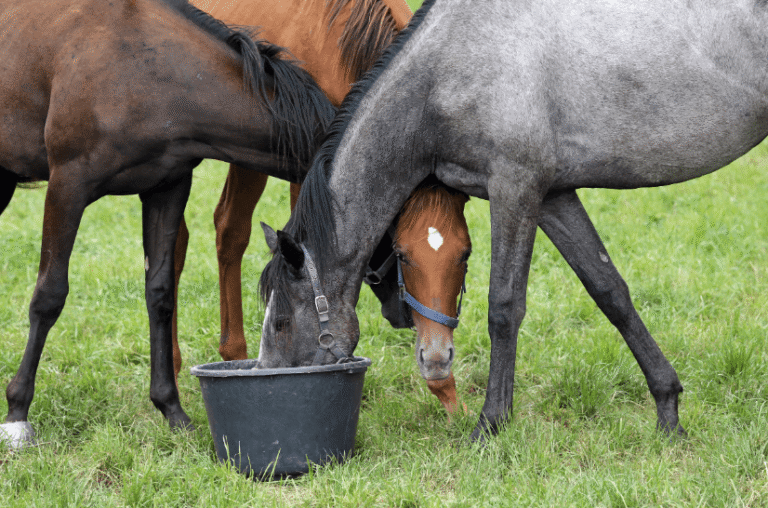
Nutrition serves as the cornerstone of a racehorse’s peak performance, directly influencing energy levels, stamina, and overall health.
Optimal feeding regimes incorporate high-quality grains, forages, and tailored supplement strategies to enhance muscle recovery and endurance.
Hydration techniques, such as electrolyte-rich fluids, ensure horses remain energized during rigorous training and races, empowering them to unleash their full potential on the track.
The Role of Jockeys and Trainers in Preparation
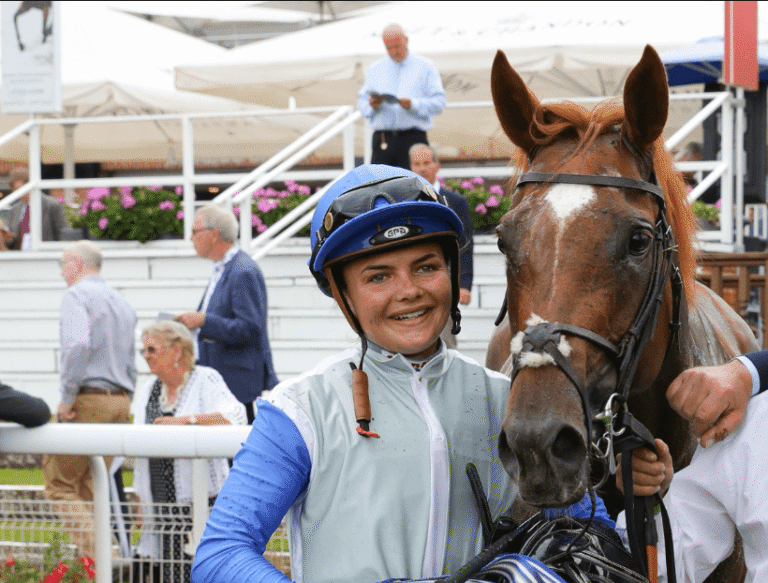
Preparation for horse racing hinges significantly on the synergy between jockeys and trainers, whose expertise shapes a horse’s readiness for competition.
Effective jockey communication is crucial, allowing real-time feedback on performance and comfort.
Meanwhile, trainer strategies, tailored to individual horses, optimize training regimens and race tactics.
This collaboration not only enhances physical conditioning but also fosters a deep mutual understanding essential for success on race day.
Conclusion
In the world of horse racing, training is as intricate as a finely tuned symphony, where every note—be it physical conditioning, mental resilience, or nutritional strategy—plays a crucial role in crafting a champion. The harmonious collaboration between jockeys and trainers further amplifies this preparation, ensuring that each horse not only possesses the power to race but also the spirit to excel. Ultimately, a well-trained horse stands ready to conquer the track, embodying the pinnacle of equine athleticism.