Cybersecurity in 2025: Key Trends and How to Stay Protected
Introduction
As technology advances, so do cyber threats. By 2025, cybersecurity is no longer just an IT concern — it’s a critical part of business strategy, government policy, and personal safety. From AI-powered cyberattacks to the looming risks of quantum computing, organizations and individuals must stay vigilant to protect their data and digital assets.
Secure QR code integration methods are becoming essential in safeguarding authentication processes.
This article explores the top cybersecurity trends of 2025 and provides practical steps to stay protected.
Key Cybersecurity Trends in 2025
1. AI-Powered Cyberattacks and Defense
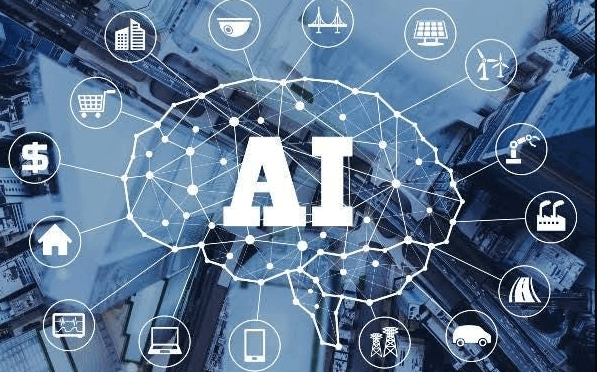
Artificial Intelligence has become a double-edged sword. Hackers use AI to automate attacks, craft convincing phishing emails, and bypass traditional defenses. On the other hand, security teams deploy AI for threat detection, anomaly spotting, and automated response.
Takeaway: Expect a cyber “arms race” where AI tools continuously evolve on both sides.
2. Zero-Trust Architecture Becomes the Standard
The old “trust but verify” model is dead. In 2025, most organizations adopt a zero-trust security model, meaning no user or device is trusted by default, even inside the corporate network. Verification happens continuously using multi-factor authentication (MFA), device health checks, and access policies.
Takeaway: Zero-trust is essential for hybrid workforces and cloud-first businesses.
3. Quantum Computing on the Horizon
While still emerging, quantum computing poses a major risk to today’s encryption methods. Experts predict that some encryption algorithms could be cracked within a decade. Governments and enterprises are already testing post-quantum cryptography to prepare for this threat.
Takeaway: Organizations must start planning migration to quantum-resistant security.
See also: The Impact of 5G: What It Means for Consumers and Businesses
4. Ransomware 3.0 — More Targeted and Costly
Ransomware attacks continue but are now more targeted, automated, and disruptive. Instead of just encrypting files, attackers threaten to leak sensitive data or disrupt critical infrastructure like hospitals and power grids.
Takeaway: Regular backups, employee awareness, and incident response plans are vital.
5. Cloud and SaaS Security Challenges
With businesses relying heavily on cloud platforms (AWS, Azure, Google Cloud) and SaaS tools, misconfigurations remain a top vulnerability. Cloud-native security solutions and stronger compliance measures are now a priority.
Takeaway: Businesses must ensure visibility, governance, and compliance in cloud setups.
6. Cybersecurity Skills Gap Widens
In 2025, the demand for skilled cybersecurity professionals far outpaces supply. Companies invest in automation, managed security services, and AI tools to fill the gap.
Takeaway: Upskilling employees and outsourcing specialized tasks are key strategies.
7. Privacy Regulations Expand
Governments introduce stricter laws to protect consumer data. By 2025, more regions adopt frameworks similar to the GDPR and CCPA, forcing companies to prioritize compliance and data protection.
Takeaway: Businesses must design privacy-first systems to avoid penalties.
How to Stay Protected in 2025
For Individuals
- Use MFA everywhere: Combine passwords with biometrics, apps, or tokens.
- Update devices regularly: Security patches close known vulnerabilities.
- Be phishing-aware: Double-check links, emails, and attachments.
- Encrypt personal data: Use encrypted messaging apps and VPNs for public Wi-Fi.
- Secure smart devices: Change default passwords on IoT gadgets.
For Businesses
- Adopt zero-trust architecture — limit access to only what’s necessary.
- Invest in AI-driven defense tools for real-time threat detection.
- Backup critical systems regularly and test recovery procedures.
- Implement employee cybersecurity training to reduce human errors.
- Plan for post-quantum security with scalable, future-proof encryption.
- Conduct regular security audits to identify and patch weaknesses.
The Future of Cybersecurity
Looking beyond 2025, the cybersecurity landscape will become even more complex as AI, quantum computing, and hyperconnected devices expand. Organizations that succeed will be those that treat security as a strategic priority, not just a technical fix.
Consumers, too, must recognize that digital safety is personal safety — protecting devices, identities, and data is as important as locking your home or car.
Conclusion
Cybersecurity in 2025 is about staying ahead of fast-evolving threats. With AI-driven attacks, ransomware evolution, cloud risks, and looming quantum challenges, the digital world is entering a new era of risk and opportunity.
By embracing zero-trust models, investing in AI-driven defenses, training people, and preparing for quantum-safe security, both individuals and organizations can stay protected in an increasingly connected world.
✅ SEO Extras:
- Slug: cybersecurity-2025-trends-protection
- Title Tag: Cybersecurity in 2025: Key Trends and How to Stay Protected
- Meta Description: Explore the top cybersecurity trends of 2025 — AI-driven threats, zero-trust models, ransomware, and quantum risks — plus tips to protect your data.
- Target Keywords: cybersecurity 2025, future of cybersecurity, zero trust security, AI cyber threats, ransomware protection