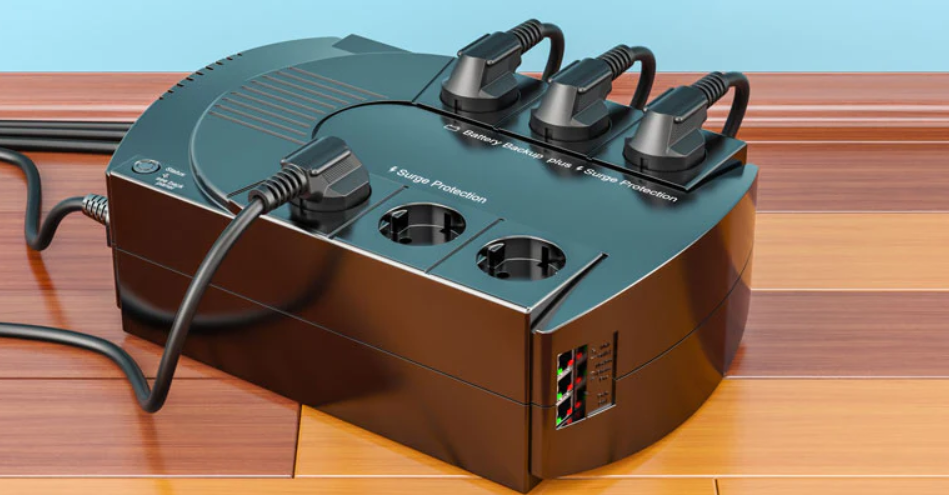
Uninterrupted Power Supplies: Ensuring Constant Power for Your Needs
In today’s fast-paced world, the continuity of power supply is crucial. Unexpected power outages can disrupt business operations, damage sensitive electronics, and lead to data loss. This is where uninterrupted power supplies (UPS) become essential. A UPS provides emergency power to a load when the main power source fails, ensuring smooth and uninterrupted operation.
What Are Uninterrupted Power Supplies?
An uninterrupted power supplies is an electrical device that provides backup power instantly when the primary power source fails. Unlike generators that take time to start, a UPS delivers immediate power, protecting sensitive equipment such as computers, servers, medical devices, and industrial machinery from sudden outages or voltage fluctuations.
See also: Cybersecurity in 2025: Key Trends and How to Stay Protected
Types of Uninterrupted Power Supplies
Uninterrupted power supplies are categorized into three main types:
- Offline/Standby UPS
This is the most basic UPS type. It remains idle until a power failure occurs, then switches to battery power. It is suitable for small devices like personal computers and home electronics. - Line-Interactive UPS
This type of UPS can correct minor power fluctuations without switching to battery. It provides better protection against voltage spikes, brownouts, and surges, making it ideal for small to medium-sized businesses. - Online/Double-Conversion UPS
This is the most advanced UPS. It continuously converts incoming AC power to DC and then back to AC, providing clean, uninterrupted power without any transfer time. It is perfect for critical applications like data centers, hospitals, and industrial equipment.
Benefits of Using Uninterrupted Power Supplies
Investing in a UPS brings multiple advantages:
- Continuous Power Supply: Ensures that critical devices remain operational even during power outages.
- Protection Against Voltage Fluctuations: Safeguards sensitive electronics from damage caused by voltage spikes, surges, and brownouts.
- Data Protection: Prevents data loss by giving users time to save work and shut down systems safely.
- Extended Equipment Life: Reduces wear and tear on electronics caused by sudden power interruptions.
- Peace of Mind: Guarantees uninterrupted operations in homes, offices, and industrial setups.
Key Features to Consider
When selecting a UPS, keep the following features in mind:
- Power Capacity: Measured in VA (Volt-Amperes), this determines how much load the UPS can handle.
- Battery Runtime: Indicates how long the UPS can supply power during an outage.
- Form Factor: Rack-mounted, tower, or compact designs based on space and installation needs.
- Surge Protection: Protects connected devices from electrical surges.
- Monitoring and Management: Advanced UPS models provide software for monitoring battery health, load, and runtime.
Common Applications of Uninterrupted Power Supplies
- IT Infrastructure: Servers, networking devices, and data centers rely heavily on uninterrupted power supplies.
- Medical Equipment: Hospitals use UPS to ensure life-saving devices remain operational.
- Industrial Machinery: Manufacturing plants depend on UPS to prevent downtime and maintain productivity.
- Home Offices: Protects computers, modems, and other electronics from sudden outages.
Maintenance Tips for Uninterrupted Power Supplies
Proper maintenance ensures a UPS remains reliable:
- Regular Battery Checks: Inspect batteries periodically and replace when necessary.
- Keep UPS Clean and Ventilated: Dust and heat can reduce efficiency.
- Test UPS Functionality: Conduct scheduled tests to ensure proper performance.
- Monitor Load Levels: Avoid overloading the UPS beyond its rated capacity.
FAQs About Uninterrupted Power Supplies
Q1: How long does a UPS last during a power outage?
A UPS typically provides power for a few minutes to an hour, depending on its capacity and connected load. It allows enough time to save data or safely shut down devices.
Q2: Can a UPS replace a generator?
No, a UPS is meant for short-term backup and protection, while generators provide long-term power during extended outages.
Q3: How often should UPS batteries be replaced?
UPS batteries usually last 3-5 years. Regular testing helps determine when replacement is needed.
Q4: Do all devices need a UPS?
Not all devices require a UPS. Priority should be given to sensitive electronics and critical systems.
Q5: Is maintenance necessary for UPS?
Yes, periodic maintenance ensures reliability, extends battery life, and prevents unexpected failures.
Conclusion
Uninterrupted power supplies are indispensable in today’s world of technology-dependent operations. They ensure continuous power, safeguard sensitive equipment, prevent data loss, and provide peace of mind in both professional and personal settings. By choosing the right UPS type, capacity, and maintaining it properly, you can protect your devices and ensure uninterrupted operations even during unexpected power failures.